When is palm tree removal more suitable than palm care?
Palm trees are a common sight in many landscapes, and they often give a property a distinctive, tropical feel. Yet every palm reaches a point where the usual care routine - feeding, pruning, and monitoring - is no longer enough. Knowing when removal is the better option compared to ongoing palm maintenance can save you time, money, and potential safety problems. The short answer is that removal becomes the more suitable choice when a palm is structurally unsafe, seriously diseased, or planted in a spot where it will keep causing damage. Otherwise, regular palm maintenance can keep a healthy tree in good shape for many years.
Signs that removal is the smarter move
Palm trees are not like broadleaf trees. They grow from a single terminal bud, and if that bud is damaged or dies, the whole tree dies. That makes certain problems much more serious. When the crown (the cluster of fronds at the top) shows widespread yellowing, wilting, or a collapsed centre, the palm is likely beyond recovery. A few brown fronds are normal, but a full crown that looks like an umbrella with most of the fabric missing is a red flag. Fungal infections such as fusarium wilt or ganoderma butt rot can destroy a palm from the inside out. With ganoderma, you might see a conk (a shelf-like fungus) growing at the base of the trunk. Once that appears, the internal decay is advanced and the tree becomes a falling hazard. No amount of fertiliser or pruning will fix it.
Structural defects are another reason to choose removal. If the trunk is leaning more than about 15 degrees from vertical and the root plate looks lifted or cracked, the palm could topple in a moderate wind. Hollow spots, cracks, or a sudden narrowing of the trunk diameter also weaken the tree. A palm that has been topped (the crown cut off) will not regrow a proper head; it may produce a few stunted fronds but will never regain its natural shape or strength. In those cases, ongoing care is a waste of effort and removal is the only realistic option.
When palm maintenance still makes sense
If the palm is healthy, upright, and not interfering with buildings or power lines, regular maintenance is usually the better path. That means annual or biannual pruning to remove dead fronds, spent flower stalks, and old fruit bunches. It also means feeding with a palm-specific fertiliser that contains the right trace elements - magnesium, manganese, iron, and potassium - because palms are heavy feeders and local soil can lack these nutrients. A good palm maintenance program can extend the life of a tree by decades.
Maintenance also includes monitoring for pests like the palm weevil or scale insects. Catching an infestation early often means a targeted treatment can save the tree. If the infestation is severe and the crown is already damaged, removal may be the only option, but early intervention keeps the palm alive. The same goes for minor nutrient deficiencies: yellowing leaves that respond to a fertiliser application are not a reason to remove the tree.
Location, location, location
Sometimes a palm is perfectly healthy but is growing in the wrong place. A palm that is too close to a house, a driveway, or a retaining wall can cause problems. The root system of a palm is fibrous and does not usually lift concrete the way a ficus or oak does, but it can still clog drains or push against shallow foundations. More importantly, a tall palm that overhangs a roof drops heavy fronds and fruit that can damage gutters, stain paint, or create a slipping hazard on a path. If the palm is within falling distance of a bedroom or a frequently used outdoor area, the risk may outweigh the benefit of keeping it. In such cases, removal is the more suitable choice because no amount of pruning can change the tree's location.
Storm damage is another location-related factor. In a region that gets strong winds or cyclones, a palm with a large crown can act like a sail. Even a healthy palm can snap or uproot in extreme weather. If the tree sits next to a house, a carport, or a power line, the safest long-term solution may be removal and replacement with a smaller, more wind-resistant species. That is a judgment call that depends on the local climate and the tree's exposure.
Cost and effort over time
Palm maintenance is not free. Professional pruning, fertilising, and pest control add up over the years. For a single large palm, the annual cost of maintenance can be noticeable. If the tree is also a risk to the property, the combined expense of maintenance and insurance premiums might make removal a better financial decision in the long run. On the other hand, removing a large palm is a one-off cost that can be higher than a single year's maintenance. The key is to compare the total cost of maintenance over the expected remaining life of the tree against the one-time cost of removal. If the tree has decades of healthy life ahead and the maintenance cost is manageable, keeping it makes sense. If the tree has only a few years left or requires expensive treatments every season, removal may be cheaper overall.
How to decide
A simple checklist can help. If any of the following applies, removal is probably the better choice:
- The crown shows widespread dieback or collapse.
- A fungal conk is growing on the trunk or at the base.
- The trunk is leaning more than 15 degrees with visible root movement.
- The palm is within falling distance of a building, power line, or high-use area.
- The palm has been topped or has a large hollow in the trunk.
If none of those conditions are present, and the palm is in a good location, a program of regular palm maintenance is likely the right approach. It is worth consulting a local arborist to get a professional assessment. An arborist can check for hidden decay, evaluate root health, and give an honest opinion about whether the tree can be saved. For property owners in the Gisborne area, services such as Tree Removal Gisborne can provide that kind of site-specific advice, helping you weigh the options without pressure one way or the other.
Practical steps when removal is chosen
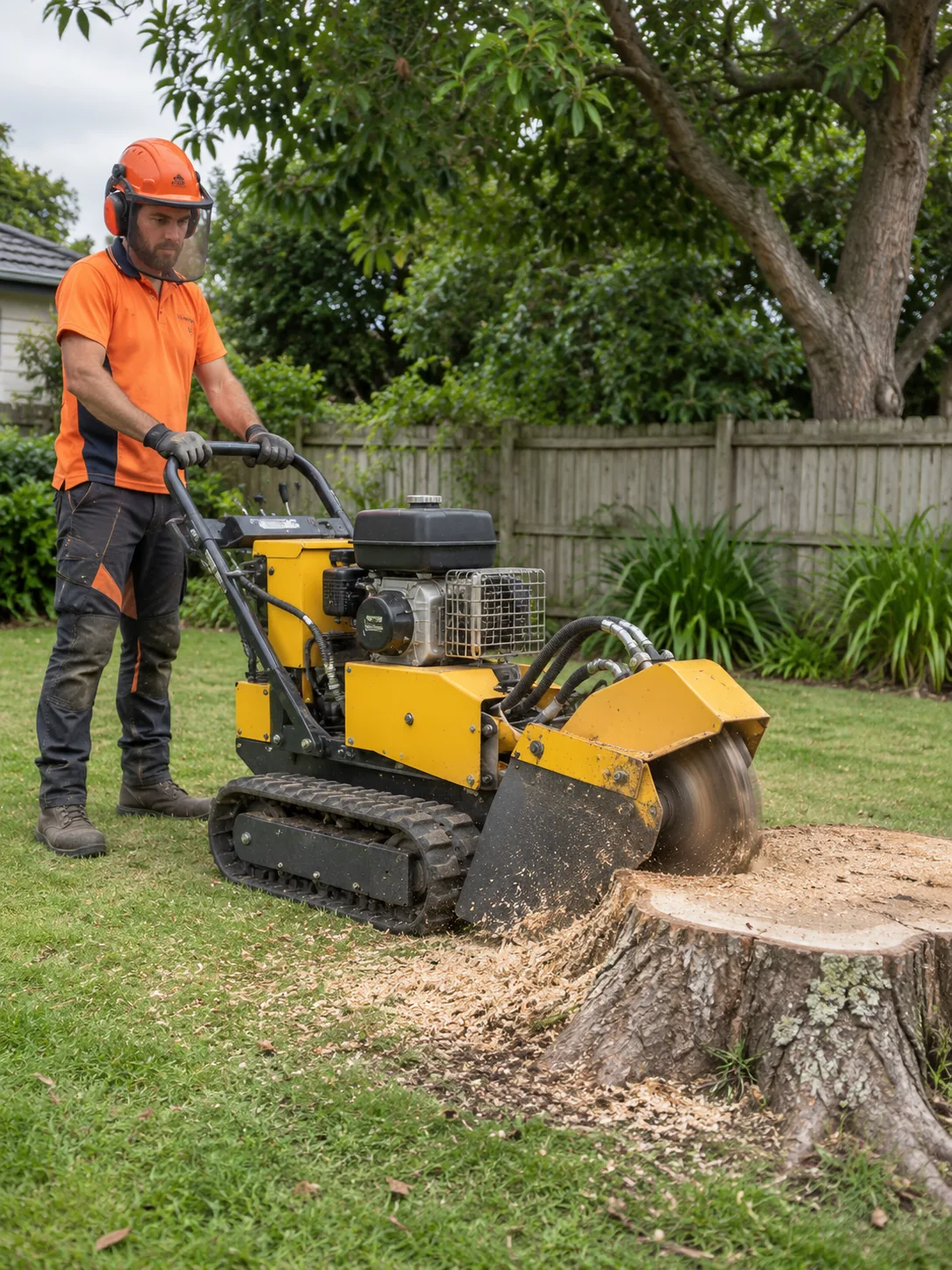
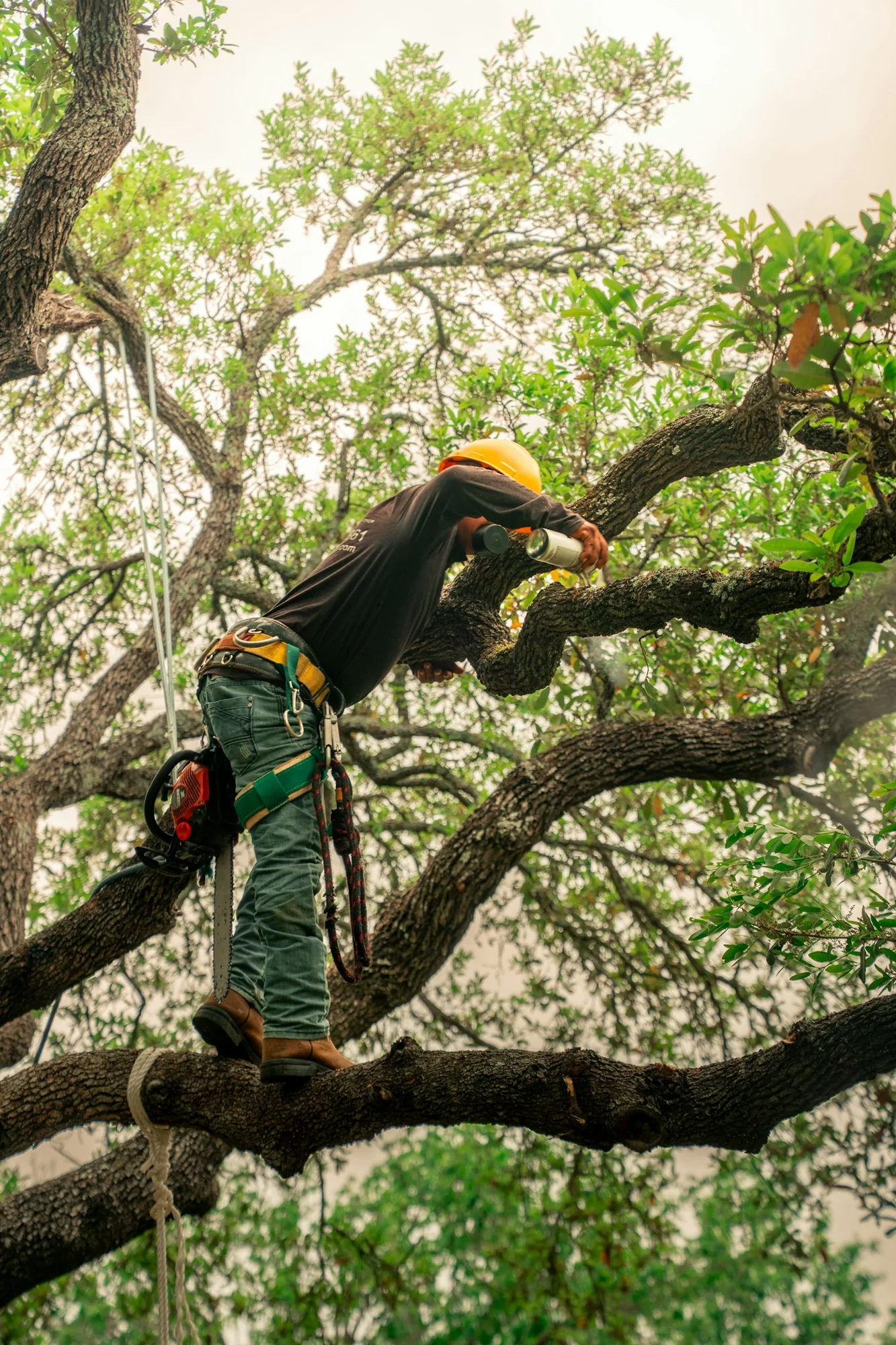
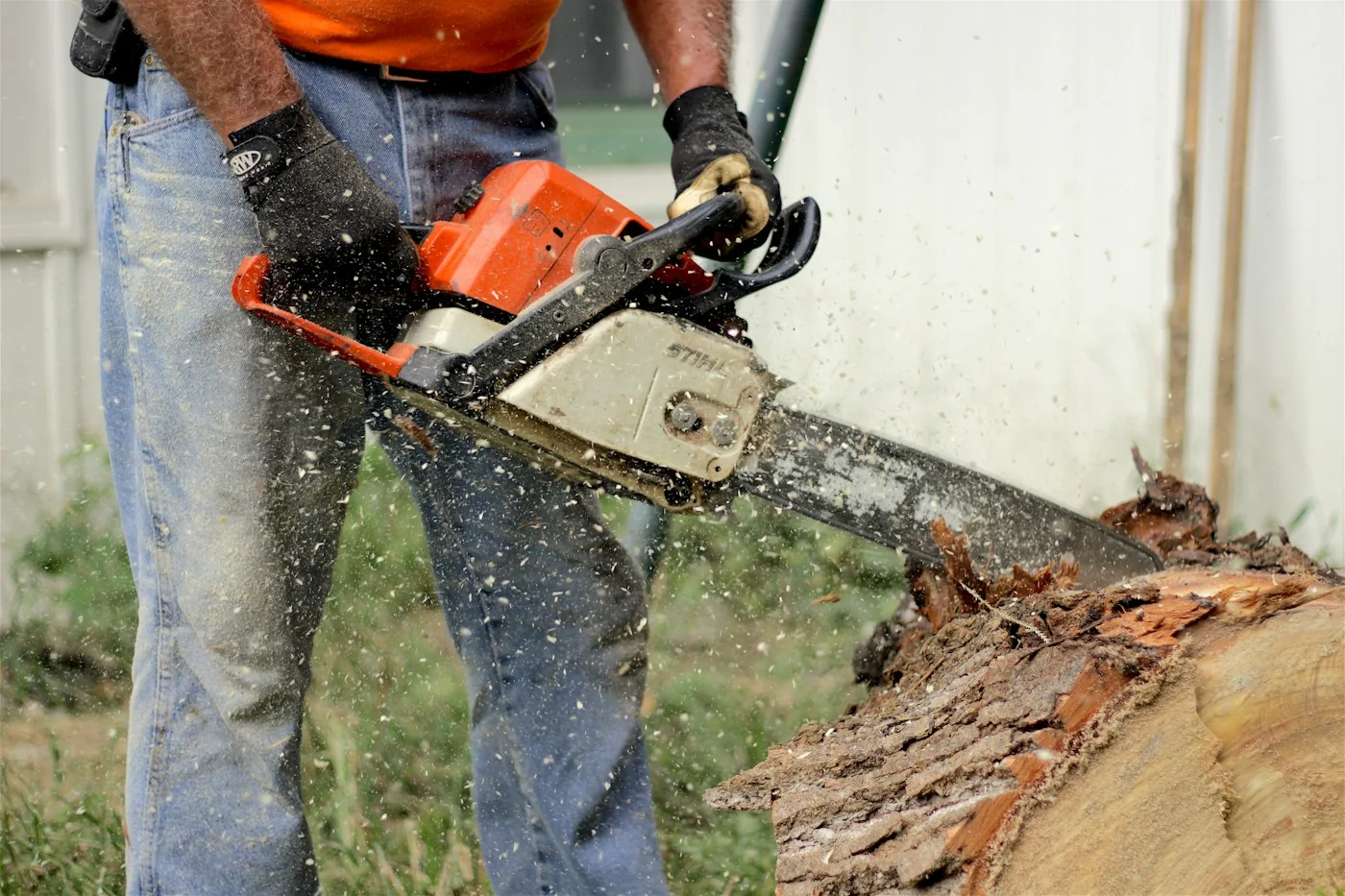
If you decide that removal is the best route, the job is not a simple one. Palms are heavy, and their trunks are fibrous and slippery. Cutting down a large palm requires careful planning to avoid damaging nearby structures. The arborist will typically section the trunk and lower each piece with ropes. Stump grinding follows to remove the stump below ground level, which prevents regrowth and frees up the space for replanting. It is also a good time to think about what to plant in its place - something that fits the site and will not cause the same problems in twenty years. A local professional like Tree Removal Gisborne can handle the removal safely and efficiently, leaving the site clean and ready for whatever comes next.
When care is still the right path
For a palm that passes the health and location checks, maintenance is straightforward. Remove only dead or dying fronds - never green ones, because the palm needs them for photosynthesis. Apply a slow-release palm fertiliser in spring and again in early autumn. Keep an eye out for weevils or scale, and treat them quickly if they appear. Water deeply during dry spells, especially for young palms. With that kind of routine, most palms will stay healthy and attractive for decades. The occasional yellow frond is nothing to worry about; it is just the palm shedding old leaves.
Ultimately, the choice between palm maintenance and removal comes down to a realistic appraisal of the tree's health, its location, and the long-term costs. A healthy palm in a good spot is worth keeping. A declining or dangerous palm is not. Getting a professional opinion early can prevent a small problem from turning into an emergency, and it can save you from spending money on a tree that cannot be saved.
Tree Removal Gisborne on social media
 Facebook